Inside Our La Roche Posay YouTube Shoot: A Behind the Scenes Story
.jpg)

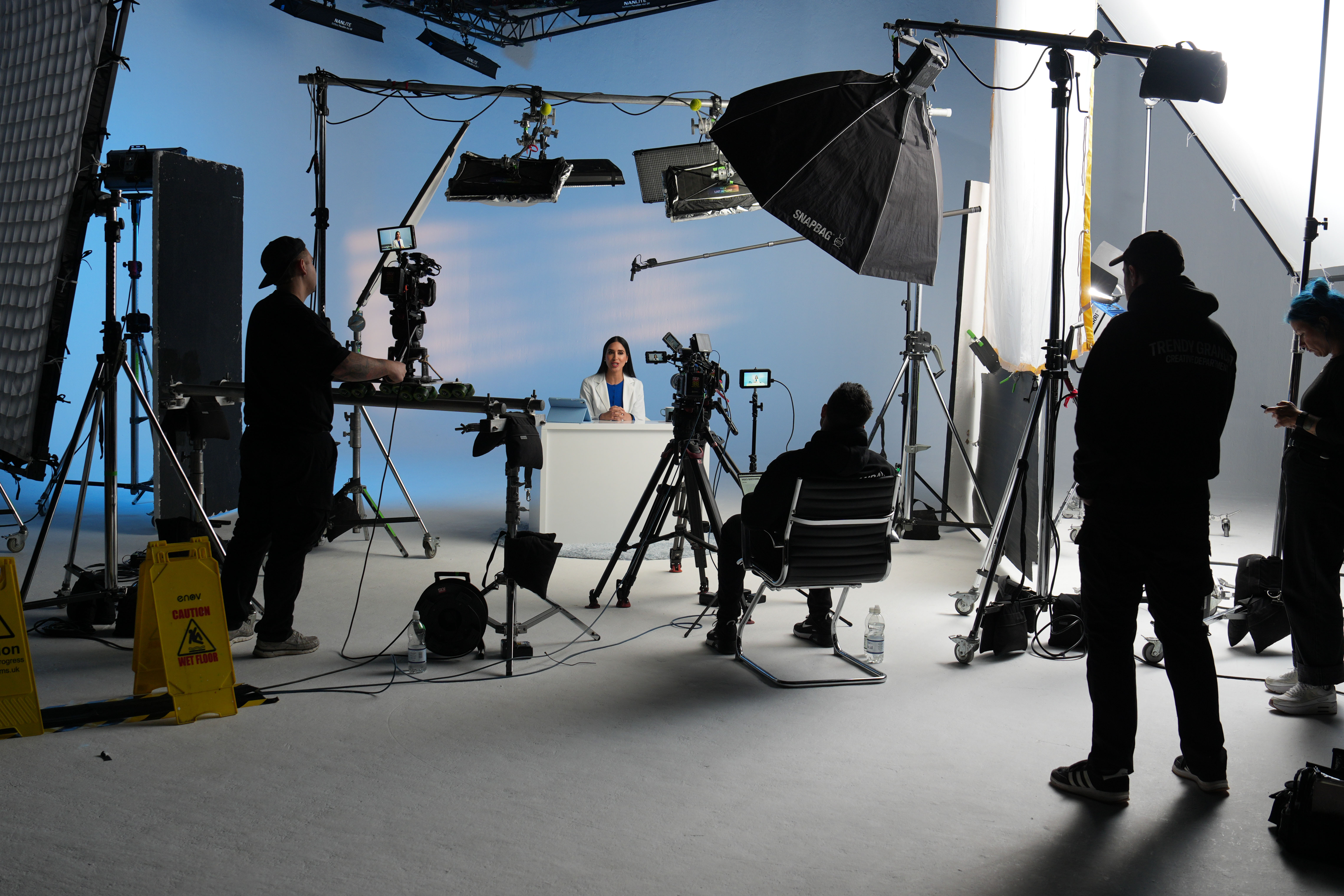
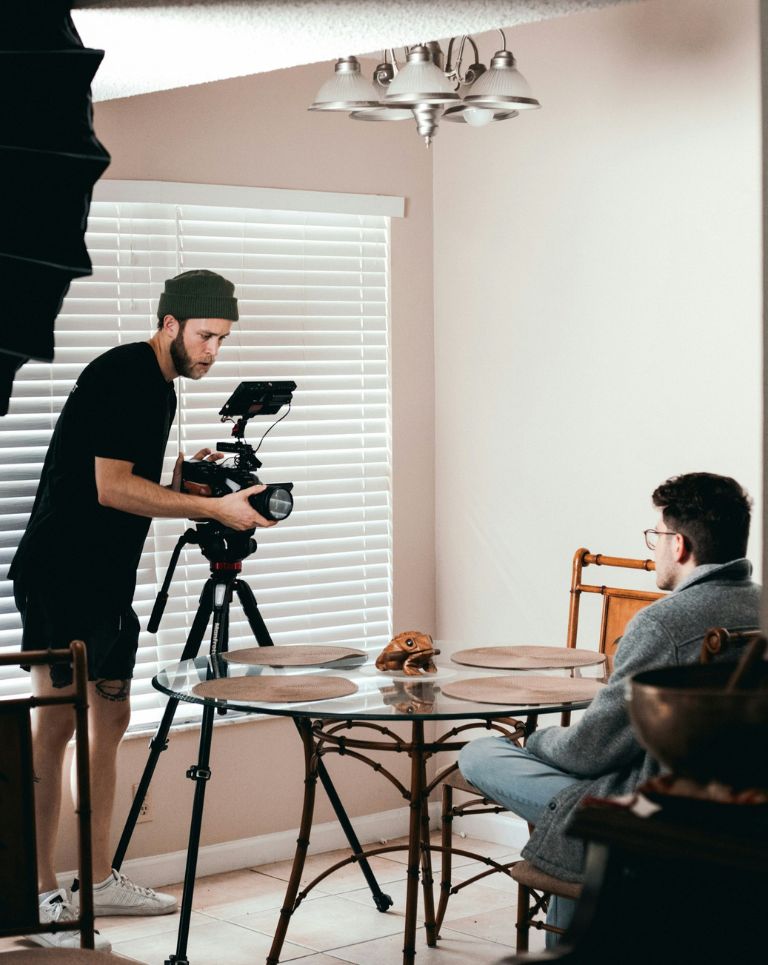
Two days ago we wrapped a shoot with L'Oreal for their La Roche Posay channel. Twenty crew on set. A top dermatologist on camera. Eight cast members, real people with real skin conditions, brought in through open casting calls. Five long form videos, fifteen Shorts, reaction videos, doctor answer videos and a round table discussion.
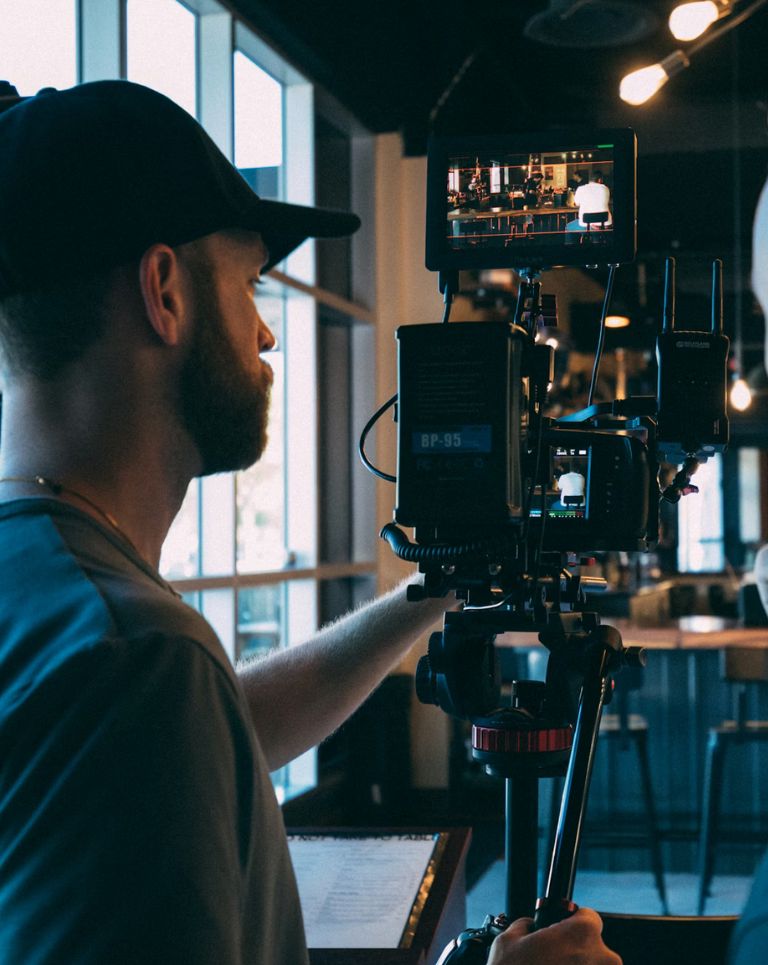
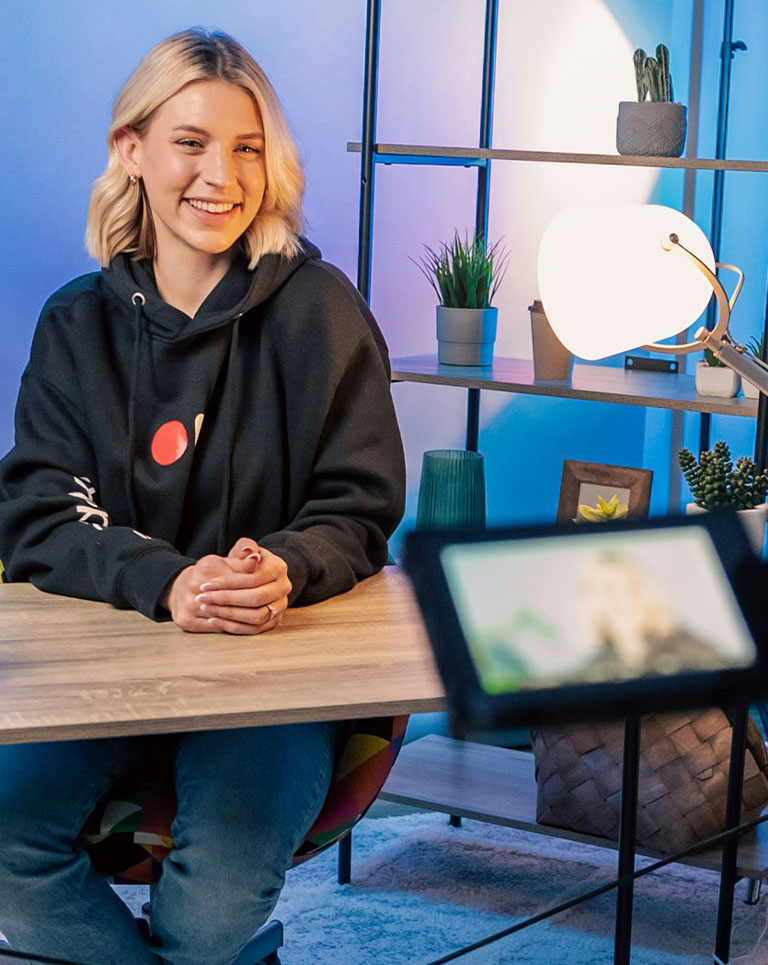
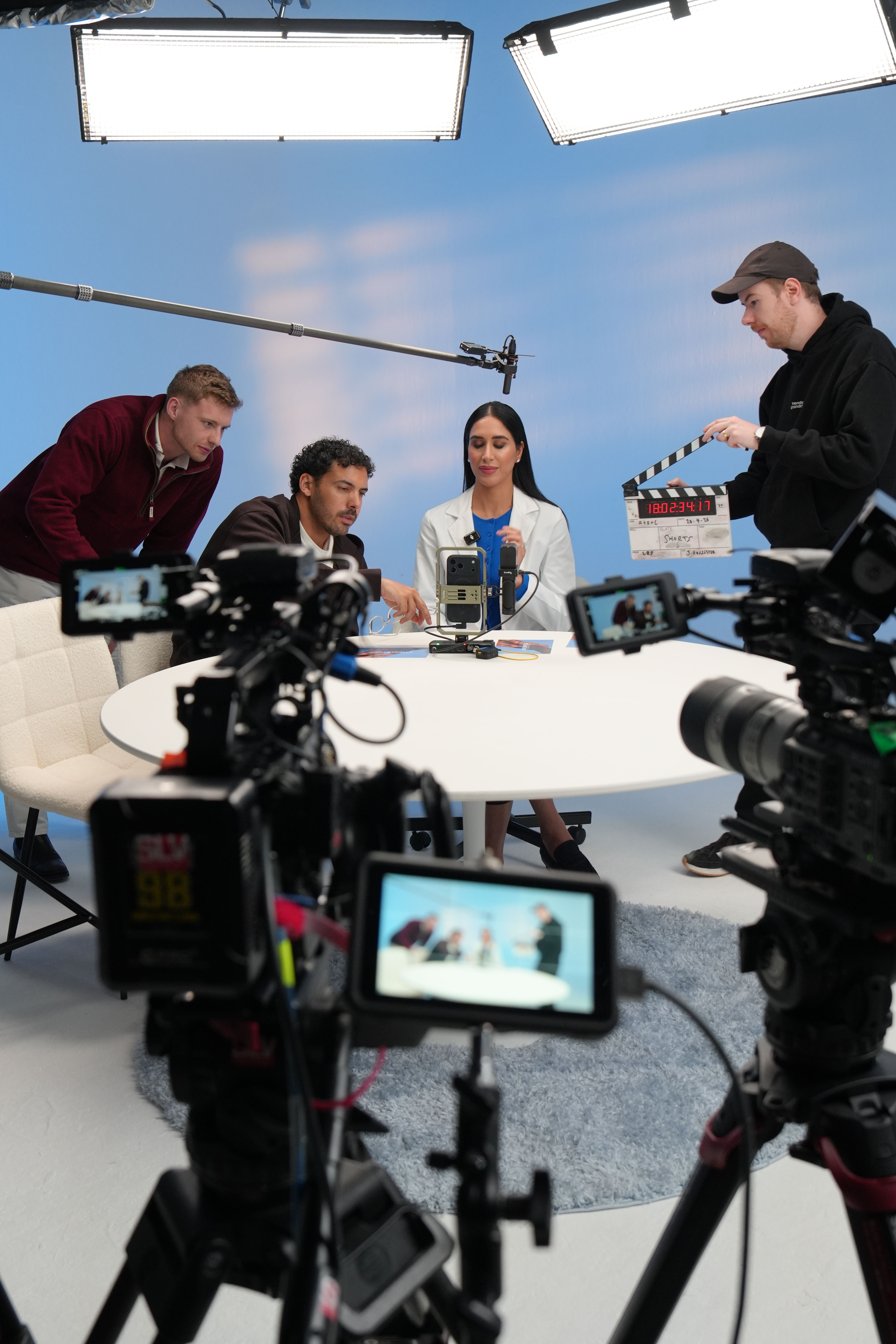
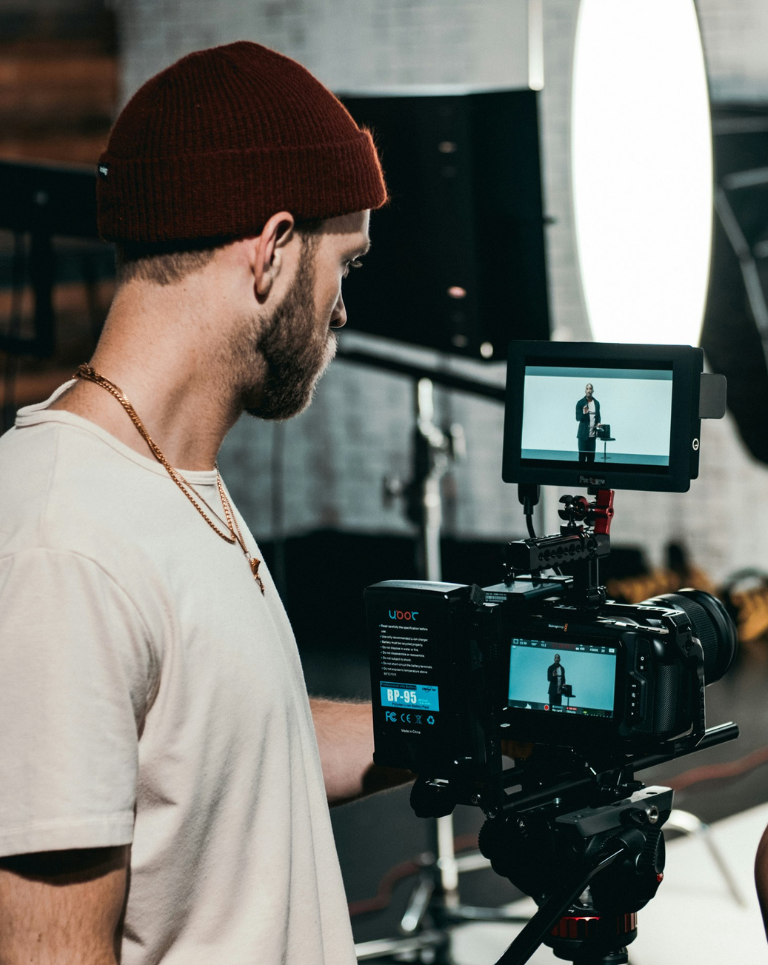
And there's a photo from set I keep coming back to. Three operators behind three cinema cameras worth more than most people's cars. In the middle of all of it, our talent is holding her own iPhone, filming a Short. See below:
This photo basically sums up what we believe about modern YouTube content. I'll come back to it.
Why La Roche Posay decided to take YouTube seriously
La Roche Posay already had a YouTube channel. The brand has 11 million followers across their other social platforms, so they clearly understand attention. The problem was that they were treating YouTube like a billboard.
Twenty second adverts. Well shot, well lit, beautifully art directed. But adverts.
Adverts don't build an audience. They don't earn a click. There was no story, no hook, no real consideration of titles or thumbnails. Adverts uploaded to YouTube tend to pick up a few hundred views and then quietly disappear into the void. You can't build a media presence by treating the platform as a distribution pipe for content made for a totally different format.
What La Roche Posay actually wanted was to become the first major skincare brand to properly own YouTube. Not Instagram, where they already dominate. Not TikTok, where a video has a 48 hour shelf life if it's lucky. YouTube. Because YouTube is the only platform where a brand can have a real conversation with its audience. The only place where a fifteen minute round table about acne treatment makes sense. The only place where a video posted today can still be pulling traffic in three years time.
That was the brief. So we built them a system.
The format ecosystem we designed
The temptation when you're producing for a brand is to obsess over the hero piece. The big shiny long form video everyone gathers around. We built five of those, but that's only part of the story.
Each format on YouTube does a different job. Most brands ignore this and just pick whichever feels easiest. Here's how we thought about it:
Long form videos. These are for deep connection with the audience. Fifteen to twenty minutes with a dermatologist diagnosing real skin conditions, going deep on the science, building genuine authority. You don't half watch this on a 30 second loop. You sit down with it.
Shorts. These are pure attention. The job of a Short is not to be the destination. The job is to catch someone scrolling, deliver something interesting, and funnel them back into the long form library. Fifteen Shorts gives the algorithm a lot of surface area to find the right people.
Reaction videos. These keep the brand culturally relevant. New product launch in the industry? New TikTok skincare trend? A reaction video lets the dermatologist weigh in with credibility before anyone else.
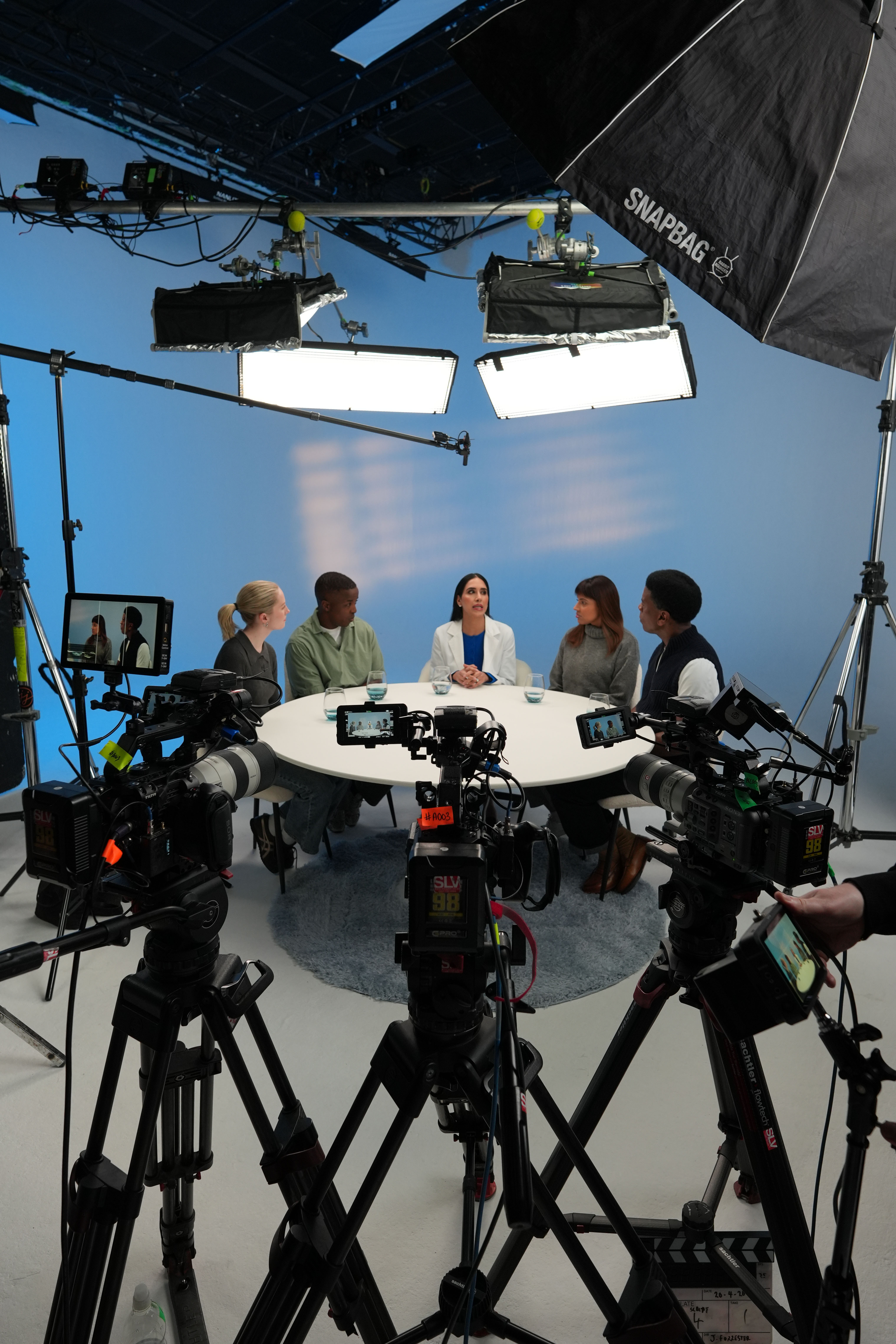
Round table discussions. These have a podcast feel. The casted talent sit down with Dr Raj and discuss their own skin journeys. Viewers see themselves reflected in the conversation. It's the most relatable, easiest to listen to format we made.
Doctor answer videos. This is where it gets really interesting, and this is where most brands have absolutely no clue what's coming.
Why doctor answer videos are built for AI search
According to AdWeek, YouTube is now the second most cited source inside ChatGPT, behind only Wikipedia. Read that again.
When someone asks an LLM a question about skincare, ChatGPT, Perplexity, Gemini, Claude, all of them are increasingly pulling from YouTube videos. Not blog posts. Not forum threads. YouTube.
Most brands aren't thinking about this at all. They're still optimising for traditional Google search. Meanwhile, the way people search is shifting under their feet. If you want your brand to be the answer when someone asks an AI about a skin condition, your content has to be designed to be referenced.
Here's how we did it. Instead of making one video that answers a single question over seven minutes, we built each doctor answer video around twenty rapid questions. Things like:
- Is a hot shower bad for your skin?
- Are you actually allowed to pop a pimple?
- What is sweat and how does it form?
Dr Raj reads each question on camera, reacts to it, then answers it. The video description has timestamps for every single question, phrased the way people actually search.
Why does this work? Because when an LLM crawls the video, the timestamps act like signposts. The system knows exactly where the answer to each question lives. When ChatGPT needs to cite a source for whether hot showers damage your skin, our video is structured to be the easiest, cleanest reference it can pull from. We're not optimising titles. We're optimising the spoken content, the descriptions and the structure. The video itself becomes a goldmine of short, citable answers.
You cannot do this on TikTok. You cannot do this on Instagram. This is a YouTube specific opportunity that almost nobody in the beauty industry is taking seriously yet.
Why we cast real people instead of influencers
Most brands would have hired influencers for this shoot. Easier, faster, cheaper, built in audience. We did the opposite.
We held open casting calls and brought in eight people with genuine skin conditions. Not La Roche Posay employees. Not paid brand ambassadors. Real people who'd been quietly dealing with eczema, acne, sensitivity, the full range.
The reason is simple. YouTube audiences have a very finely tuned detector for anything fake. They can spot a paid creator reading from a script a mile off. The whole point of the round table format was that it should feel like a genuine conversation, and you cannot manufacture that. The moment a viewer senses someone is performing rather than sharing, the trust is gone and they leave.
Casting real people is more work. You run actual casting calls. You manage talent who have never been on a professional set before. You spend more time on direction. But the output is content that feels properly human, which is the only kind of content that actually performs on YouTube right now.
The thing I learned about expensive cameras
Back to that photo I mentioned earlier. Three giant cinema cameras. The talent in the middle holding an iPhone.
We had over £100,000 of equipment on set. For the long form videos and the round tables, that gear was essential. Premium brands need premium production values. The lighting, the audio, the camera work, all of it had to be at a level that matched La Roche Posay's brand standard.
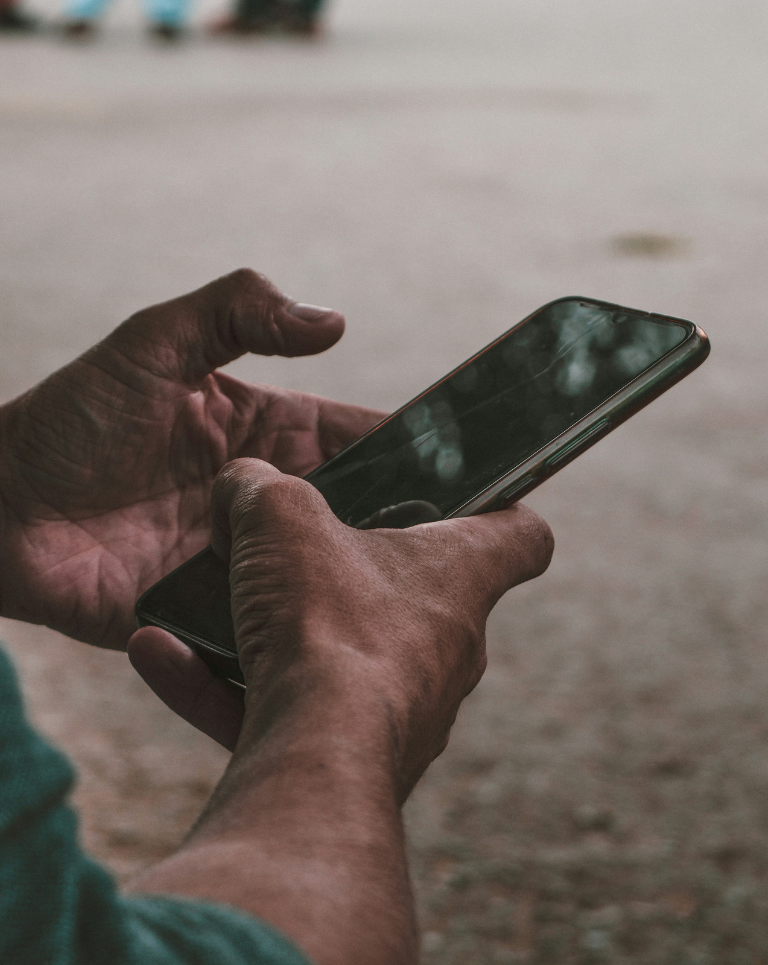
But for the Shorts? We filmed them on an iPhone.
Why? Because Shorts that look too produced don't perform. Audiences scrolling vertical video respond to content that feels native to the format. Anything that looks like it was shot for cinema and then awkwardly squeezed into a 9:16 frame screams advertising. iPhone footage feels original, immediate, real. So that's what we used, even with cinema gear sitting two metres away.
The lesson, and this is the bit I want every brand reading this to actually take in, is that production quality should match content type. Not the other way around. Don't shoot everything on an Alexa Mini just because you can. Match the gear to the format, and trust that audiences will reward the choice.
What I learned about pre production
You can plan a shoot for months. We did. Every shot listed, every script timed, every transition mapped. And things still went wrong. Talent ran late. A piece of kit failed. A round table conversation veered somewhere we hadn't planned for, which actually turned out to be the best moment of the day.
The single biggest factor in whether a complex shoot finishes on time is not how well you've planned. It's how experienced your directors are at solving problems they've never seen before. We brought in top tier directors precisely because we knew the unexpected would happen, and we needed people who would adapt in real time without losing the day.
If you're thinking about investing in YouTube production, this is where the money is well spent. Not on extra cameras. On experience.
What skincare brands need to stop doing on YouTube
Here's the strongest opinion I have from this entire project, and it applies to every beauty and skincare brand currently failing on YouTube.
Stop pushing your products.
Throughout the entire shoot we made for La Roche Posay, we never promoted a single product. Not once. The videos talk about skin conditions, treatments, science, lifestyle, the actual conversations real people are having about their skin. La Roche Posay is the host of that conversation, not the subject of it.
Brands that try to turn every YouTube video into a sales pitch are killing their own channels. Audiences can smell it instantly and they leave. The trust evaporates. The algorithm sees the drop in retention and stops recommending the videos. The whole thing collapses in on itself.
Build a narrative around your category. Become the place people go to learn, to be entertained, to feel seen. The sales follow naturally because the trust is there. They never follow when you lead with the product.
That is the real lesson from this shoot, and honestly it's the lesson from every successful brand channel I've ever studied. Red Bull doesn't sell energy drinks in their videos. The BBC doesn't sell licence fees. Give the audience a reason to keep watching, and the rest takes care of itself.
We'll share results once the videos are live and have had time to compound. For now, this is the behind the scenes story of what considered, YouTube first production for a major skincare brand actually involves.
If you're a brand thinking about taking YouTube seriously, hopefully some of this is useful. And if you want to talk about what a content system might look like for your brand, you know where to find me.

.png)
.jpg)